ELLY KRIEG (AUSTRALIEN)
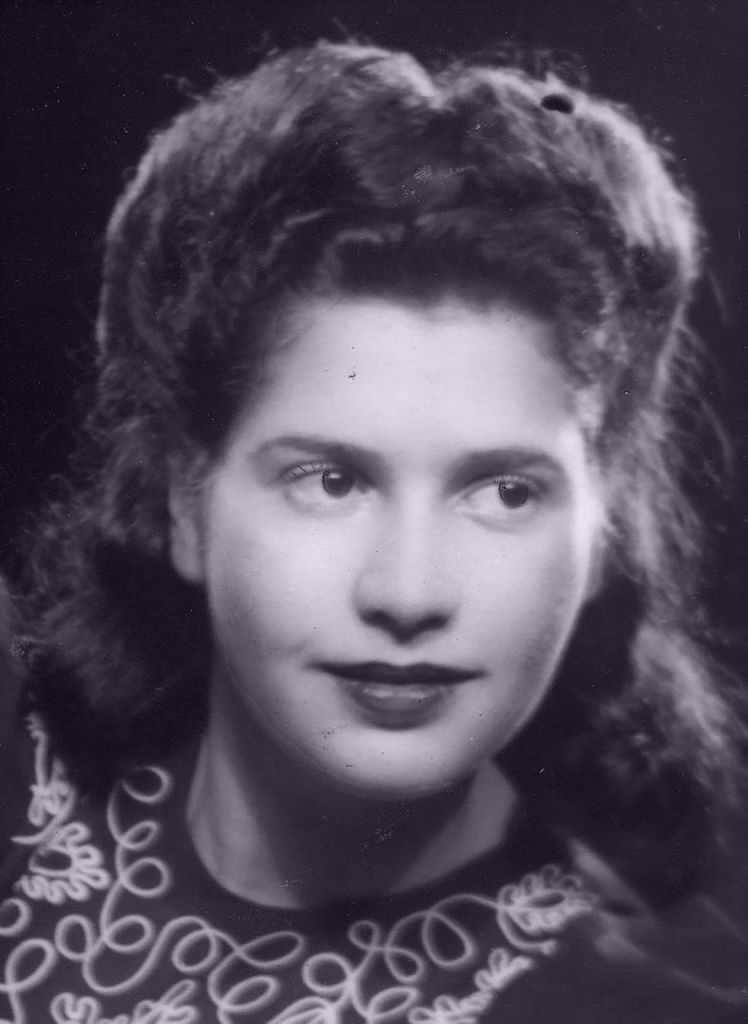
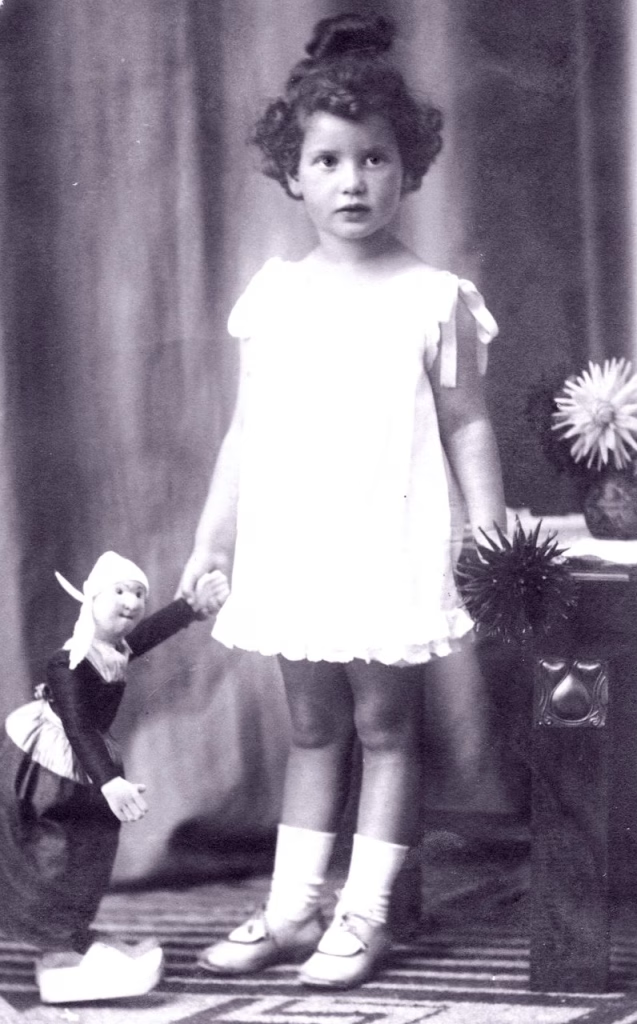
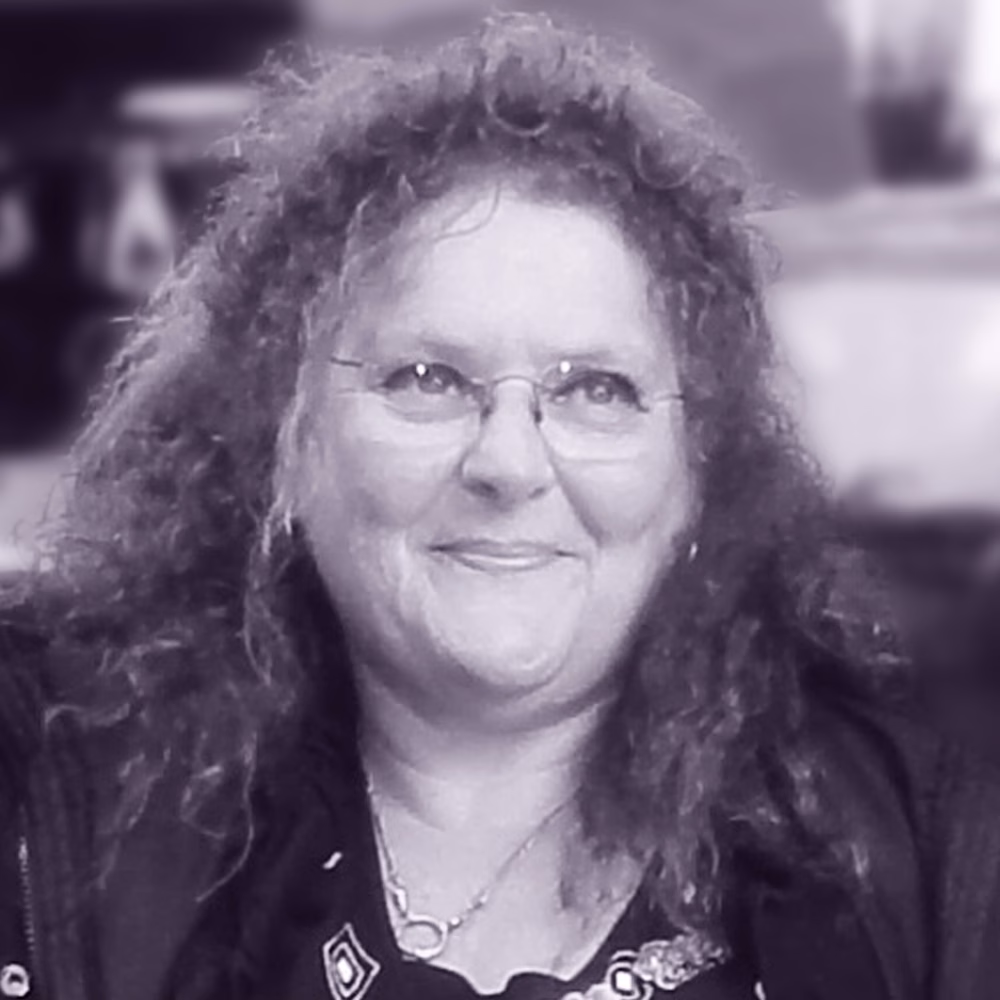
Im Februar 2018 besuchte Liselotte Kriegs Tochter, Elly Krieg, Pforzheim im Rahmen einer Reise zu den Lebensstationen ihrer Mutter und Verwandten. Im Zuge Ihres Besuchs folgte sie einer Einladung an das Hilda-Gymnasium, wo ihre Mutter bis 1936 Schülerin war. Liselotte konnte 1938 mit ihren Eltern nach Australien fliehen. Annsophie führte anlässlich des Besuchs ein Interview.
Annsophie: What connects you personally with the Hilda-Gymnasium and the city of Pforzheim? Have you ever been to Pforzheim?
Elly: My mother, Liselotte Krieg attended the Hilda Gymnasium until 1936 and then she attended the Osterfeld school for Jewish children. I was in Pforzheim in 1979 but I didn’t really take much in because, at that time, I did not know a lot about my family history. I took photos for my mother to see but, of course, mum did not recognise a lot because of the bombings during the war. I also do not remember a great deal from that visit but I vaguely remember I stayed in a youth hostel that had once been a castle (I think).
Annsophie: Did your relatives tell you about their experiences in Pforzheim? Are there maybe stories you still have in mind?
Elly: My grandfather died before I was interested to ask him about it, he died in 1979 when I was in Israel/Europe. My mother told me she did not recall much from that time as she was 14 when she left. However, when we used to look at her photos, she showed me the one where all the students are sitting in front of the school, I think it would have been the Osterfeld school, and she would point to each girl and name her, then she would tell me what happened to her during the war. “That one died in concentration camp, that one went to America, that one was sent to a brothel and no one ever heard from her again….” And that is all she ever told me about that time.
Annsophie: Did the historical experience of your family in Pforzheim have any impact on your life?
Elly: My life in Australia was blissfully ignorant of the struggles and persecutions of people in Europe. My mother married an Australian man so the Jewish and German culture did not really play a large part in our lives except, perhaps, for the food. Mum would, on occasion, cook German or Jewish cuisine.
Annsophie: Can you tell in which way your mother and grandparents dealt with their experiences? Would you say it was hard for them to leave it behind?
Elly: Unfortunately, my Grandmother died before I was born so I do not know how she lived with having to leave her home. My grandfather was a very distant person, it was very difficult to get close to him, he was never the sort of man you felt really comfortable hugging or kissing. He never spoke to us of his time in Germany so I think the way he dealt with it was to keep it all inside and make certain it stayed in the past. And, as I previously said, mum did not speak about it either, always claiming to not remember what it was like. The only thing I can say is that I believe my grandfather was, of course, sad to leave his country, and I say this because we found a photo of bombed Pforzheim and on the back was written “mein Pforz” – I always felt this was a sad acknowledgement of the suffering experience by the town and its people.
Annsophie: Did the connection your family had to Germany influence the way you think of Germany? Do you think of it as a “bad country“?
Elly: I have always looked to Germany as my heritage, a part of who I am and certainly, not a place I am either angry or ashamed of. I have always proudly acknowledged my heritage as German/English (the English for my father). A number of people asked that question of me when I was in Pforzheim and it surprised me, to be honest, because I have never thought of Germany any other way that as part of my family history. It is like when a child does something wrong, you don’t say you hate the child, you say you hate the action the child performed. My visit to Germany has only strengthened my connection and my love for a culture that is a great part of who I am.
Annsophie: Do you feel your German roots in any way? Are or were there maybe any German traditions you used to follow or did you get in touch with the language?
Elly: I think my previous answer tells you how much I feel my German roots and how important that is to me. I was raised mainly by my mother, my parents separated when I was quite young so I always tell people that I was raised predominately with German/European influences, perhaps more German than Australian.
Unfortunately my mother did not speak German to us when we were little but my Grandfather would only speak German to us and we did not see him all that often. Therefore my knowledge of the language is very limited but when I hear it spoken, I must confess, I do feel a sense of comfort and familiarity.