INÉS WERTHEIM (ARGENTINIEN)
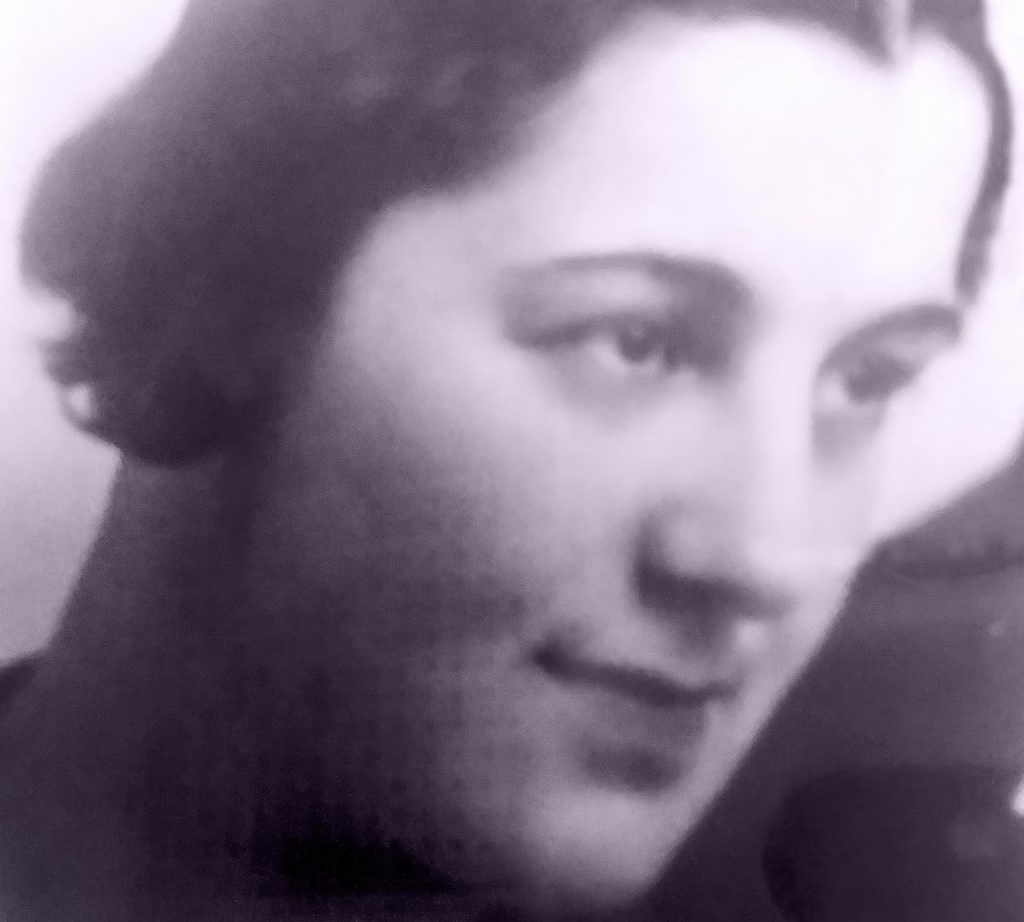
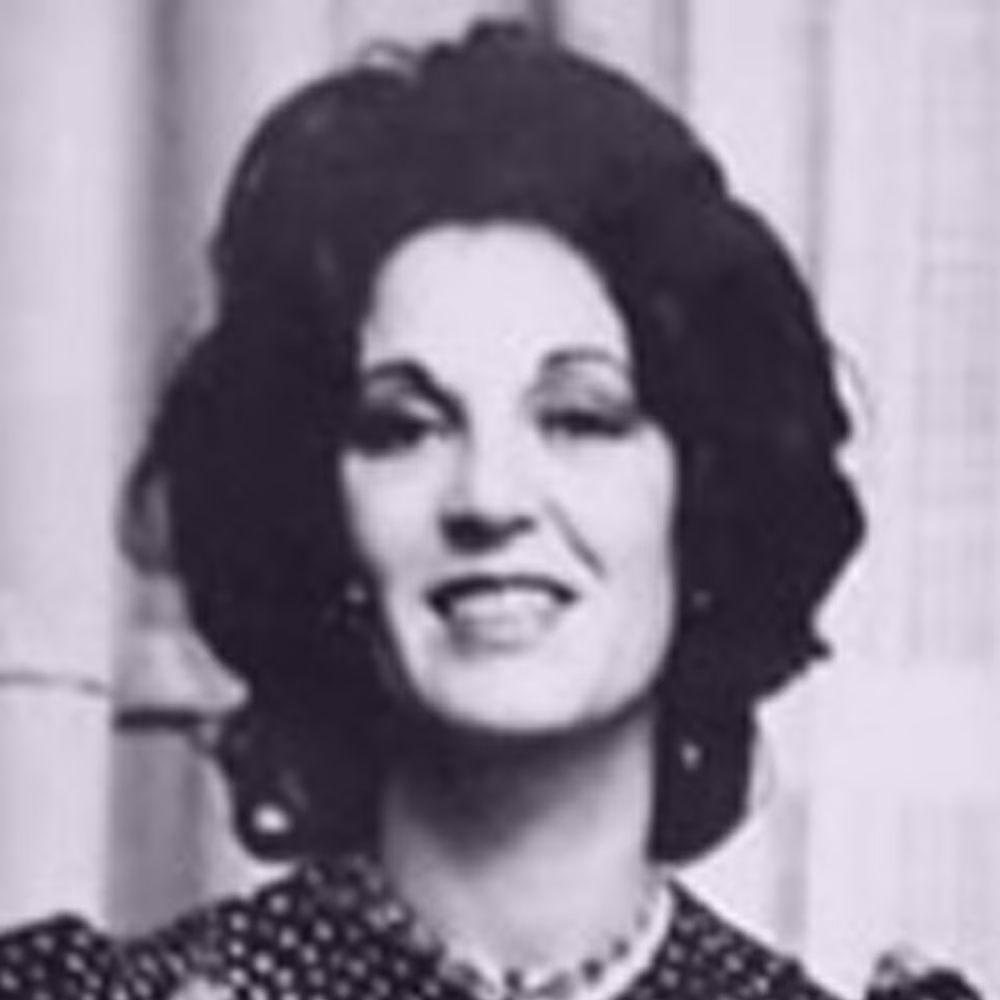
Im März 2019 interviewte Annsophie die Tochter der ehemaligen Hildaschülerin Lieselotte Blum, Inés Wertheim. Ihre Mutter konnte 1936 mit ihrer Familie nach Argentinien fliehen.
Annsophie: Have you ever visited Pforzheim?
Ines Wertheim: Yes, twice.
Annsophie: How did you experience it?
Ines Wertheim: The first time, ca. 1970/71. When I arrived I saw about 4 or 5 men on the street, one was without a leg, the other one without an eye, well, they were all injured soldiers I supposed and I had to leave immediately Pforzheim and Germany. I couldn’t stand it. Circa 15 years later, I visited again, and I saw a city which had nothing to do with the stories my family had told me. The only street I remembered was Leopoldstraße were my grandfather had his HerrenGeschäft GLOBUS PFORZHEIM.
Annsophie: Did your relatives tell you about their experiences in Pforzheim? Are there maybe stories you still have in mind?
Ines Wertheim: Leopold Blum, mein Opa, served the I War, 1914-18, I think he was a telegraph operator, but I’m not sure. Meanwhile meine Oma Lina Blum, geb. Kahn, was in charge of three kleine Töchter. Ruth 1909, Lieselotte 1910 and Elfriede (Ellen) 1914. Meine Mutter war eine sehr gebildete Dame. Ich glaube, wenn sie in Deutschland geblieben wäre, hätte sie sicherlich mit der Literatur etwas realisiert. Wahrscheinlich Schriftstellerin. Bevor sie auswandern musste, war sie angestellt an einer Bibliothek, wo sie sehr glücklich war. Sie las dauernd Klassiker, Gebrüder Mann, Franz Werfel usw., auch Dichter, Schiller, Heine, Goethe und viele andere ältere und zeitgenössische auch. Sie hatte einen scharfen Humor und lachte öfters und war sehr witzig und ulkig.
Annsophie: Did the historical experience of your family in Pforzheim have any impact on your life?
Ines Wertheim: YESSSSSS!!!! I remember the whole family listening the news on the radio… I might have been 4 years old. Every night for a long time. They were more than worried!!!
Annsophie: Can you tell in which way your mother dealt with her experiences? Would you say it was hard for her to leave them behind?
Ines Wertheim: Of course, she met my father 1936 and married three weeks later and immediately left Germany, arriving in Buenos Aires beginning 1937. I also remember my mother’s best friend Melita Lehnebach, not jewish. She sent her many times packages with Kaffee, Zucker, Mehl, Öl, usw. She never had any answer, so we didn’t know what happened to Melita during the war. My mother was very worried and upset. Not only because of her friend, but many members of our families of both sides were still or not in Germany.
Annsophie: Did the connection your family had to Germany influence the way you think of Germany? Do you think of it as a “bad country“?
Ines Wertheim: I was a couple of times in Berlin and think that the actual generation has nothing to do. Although the antisemitismus is growing again in whole Europe.
Annsophie: Do you feel your German roots in any way? Are or were there maybe any German traditions you used to follow or did you get in touch with the language?
Ines Wertheim: Meine Muttersprache ist Deutsch, ich lernte Spanisch im Kindergarten. Meine Eltern sprachen schlecht Spanisch und meine Grosseltern praktisch nichts. Lieselotte sprach pforzheimerischen Dialekt. Ich verstehe alles, aber ich spreche nichts. Ich war schon eine erwachsene Frau mit drei Kindern und ich ging sehr oft meine Eltern besuchen. Als ich alleine hin ging, jedes mal sagte meine Mutter zu mir: „So jetzt Diktat!“ Sie brachte Papier und Stylo und las mir einen Text vor von einem Buch oder Zeitung und ich musste schreiben. Dann mit einem roten Bleistift korrigierte sie meine Fehler!!!! Das machten wir sehr gerne.
Ich koche sometimes Braten und “Fingerle”, very often Apfelkuchen und Apfelküchle, Kleingebäck, alles von Mutters Rezepte.
Annsophie: Do you know any people who also lived in Pforzheim during the NS-regime? Did they tell you about this time?
Ines Wertheim: Nein, ich erinnere mich nur an Melita Laenebach, and I don’t know if I spell her name correctly.